-
March 22, 2026
-
Posted by: Atipa Pluemchai
Summary of SI joint dysfunction
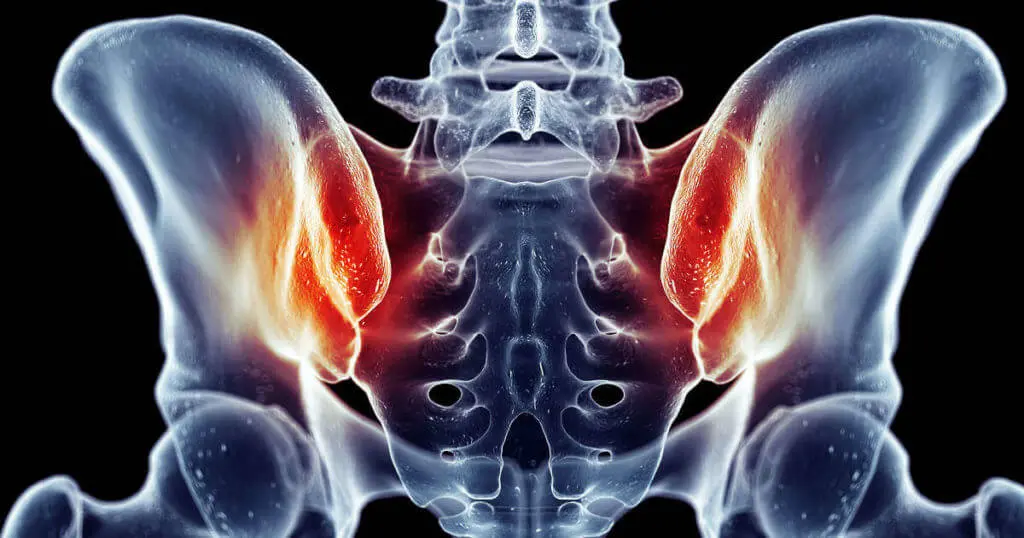
An SI joint dysfunction (sacroiliac joint dysfunction) is a painful dysfunction of the joint between the sacrum and the ilium. Thai massage can help release the tense muscles around the pelvis through a combination of acupressure and passive stretches.
Delve into this extremely painful medical condition.
The sacroiliac joint (SI joint) connects the lower spine to the pelvis. Although it has only minimal mobility, it is crucial for the transmission of force between the upper and lower body.
Symptoms:
Pain in the lower back or buttocks, often radiating into the hip or leg.
Root cause:
In most cases, it is not an actual displacement of the bones, but rather a protective tension in the surrounding muscles (such as hip flexors, glutes, or back extensors) that increases the pressure on the joint and thus “blocks” it.
How does Thai massage help?
Traditional Thai massage (Nuad Thai) incorporates elements of yoga and acupressure.
It supports recovery in several ways:
Muscle relaxation:
Targeted pressure releases deep-seated tension in the gluteal muscles (e.g., piriformis) and hip flexors, which are often the primary cause of pressure on the sacroiliac joint (SI joint).
Passive stretching:
The massage therapist positions the body to gently mobilize the pelvis and stretch fascial adhesions.
Improved blood circulation: These techniques promote tissue metabolism, which can reduce inflammation in the joint.
Important note: Massage should not be performed in cases of acute inflammation, severe pain, or recent injuries. If in doubt, consult a doctor to determine the cause (e.g., a herniated disc).
Are you currently experiencing acute pain, then make these excercises see .
 Email this post to someone
Born in Bangkok, Happy in Basel 😊